
Key Takeaways
-
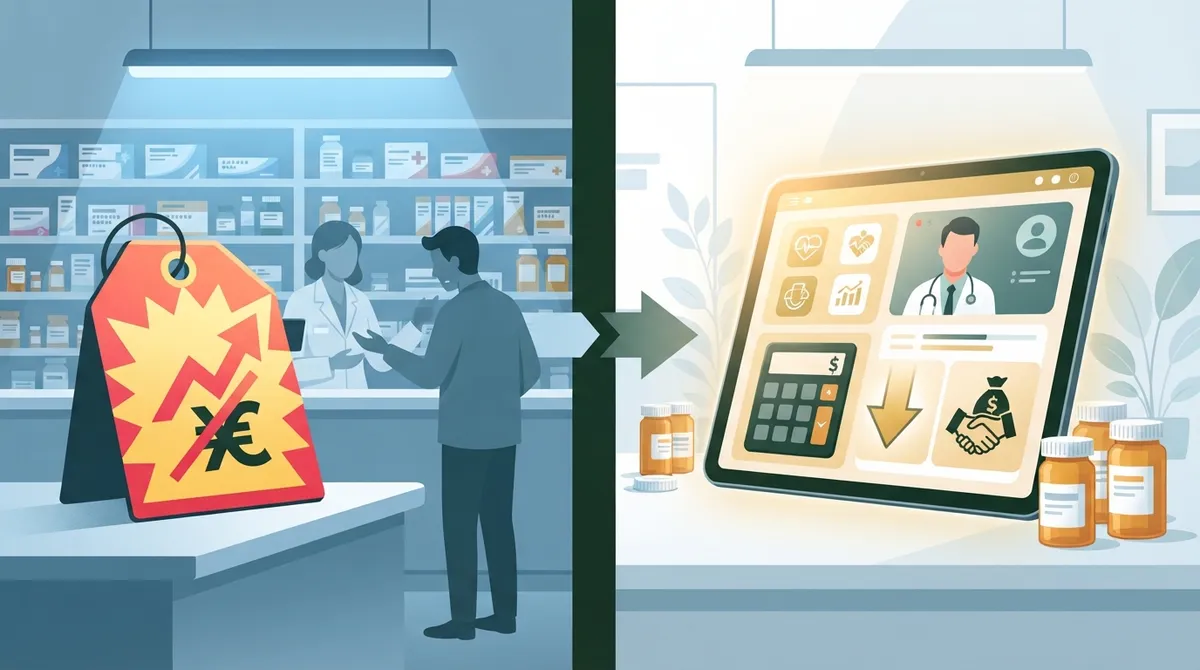
Brand-name GLP-1 medications cost $900-$1,400 monthly at retail without insurance, but manufacturer self-pay programs like NovoCare and LillyDirect reduce costs to $299-$499 per month, saving thousands annually.
-
Wegovy's self-pay program through NovoCare costs around $349/month versus $1,300+ retail, while LillyDirect's Zepbound starter dose begins at $299/month—both represent 60-75% savings over traditional pharmacy pricing.
-
Compounded semaglutide ranges from $200-$500 monthly as a budget alternative, but requires working with licensed providers due to different regulatory oversight compared to FDA-approved brand-name medications.
-
Personalized telehealth plans using blood work to determine correct dosing prevent wasted spending on incorrect doses and offer ongoing adjustments, often providing better long-term value than one-size-fits-all retail pricing.
-
Insurance coverage for GLP-1 weight loss treatment remains inconsistent as many plans classify it as elective, making manufacturer self-pay programs and telehealth options increasingly popular for uninsured patients.
-
Common cost mistakes include paying full retail without checking manufacturer programs, skipping blood work leading to incorrect dosing, and ignoring six-month bundled plans that lower per-month costs.
If you’ve been shopping around for weight loss support, you’ve probably felt a little sticker shock. GLP-1 medications like semaglutide and tirzepatide can change lives, but the price tag without insurance can feel overwhelming. The good news? You have more options in 2026 than you did a couple of years ago, and understanding them can save you thousands of dollars a year. Let’s break down retail pricing versus self-pay programs, so you can make a confident, informed choice for your health journey.
Whether you’re a busy professional trying to fit wellness into a packed schedule, or someone who has spent years optimizing their health with labs and data, this guide is for you. We’ll walk through real numbers, compare your options, and show you where personalized GLP-1 peptide therapy fits into the bigger picture of affordable, sustainable care.
What Does GLP-1 Cost Without Insurance in 2026?
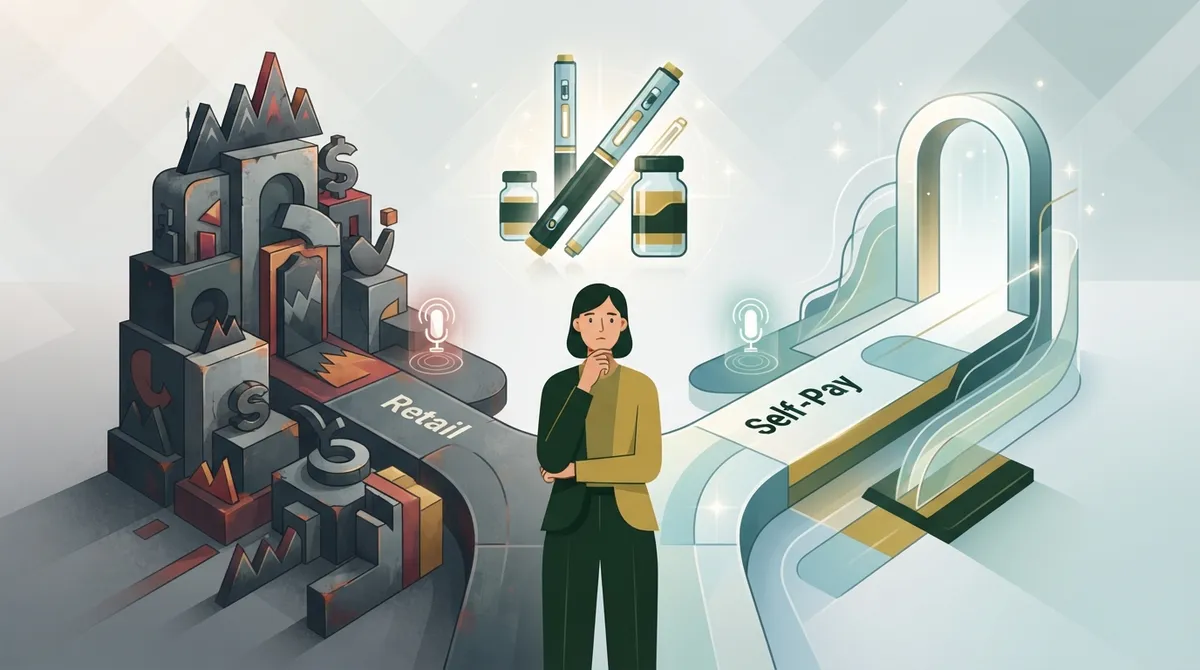
Let’s start with the number everyone wants to know. Without insurance, brand-name GLP-1 drugs typically cost between $900 and $1,400 per month at full retail price. That adds up fast. Over a year, you could be looking at $11,220 to $16,188 in out-of-pocket spending, according to industry pricing data.
That’s a lot of money for a treatment many people need long-term. It’s no wonder so many people are searching for cheaper, smarter ways to access these medications. Thankfully, manufacturer programs and telehealth-based peptide therapy have started to close that gap.
Retail List Price Breakdown
Retail pricing without any discounts or programs is the most expensive path. Pharmacies typically charge close to the full list price unless you qualify for a coupon, savings card, or manufacturer program. Here’s what that looks like on a monthly basis.
| Medication | Typical Retail Price (Monthly) | Estimated Annual Cost |
|---|---|---|
| Wegovy (retail) | $1,300 – $1,400 | $15,600 – $16,800 |
| Ozempic (retail) | $900 – $1,000 | $10,800 – $12,000 |
| Zepbound (retail) | $1,000 – $1,100 | $12,000 – $13,200 |
| Mounjaro (retail) | $1,000 – $1,100 | $12,000 – $13,200 |
These numbers come from national reporting on cash-pay pricing, including data from Forbes Health and the National Consumers League, which found monthly costs averaging between $936 and $1,349 without coverage.

Self-Pay Programs: A Real Alternative
Here’s where things get more hopeful. Drug manufacturers now offer direct-to-patient self-pay programs that significantly cut costs compared to retail pricing. These programs skip the traditional pharmacy markup and ship medication straight to your door.
Wegovy Self-Pay Pricing
Through NovoCare Pharmacy, Wegovy’s self-pay price has been reported at around $349 per month for standard doses. That’s a huge drop from the $1,300+ retail price. Some higher-dose options may cost a bit more, but it’s still a fraction of what you’d pay through traditional channels.
Zepbound Self-Pay Pricing
LillyDirect offers a similar self-pay path for Zepbound. Reported pricing looks like this:
- 2.5 mg dose: about $299 per month
- 5 mg dose: about $399 per month
- Higher doses: about $449 per month
Some direct-purchase programs have even listed Zepbound’s starter dose as low as $349 per month, according to reporting from Keck Medicine. These programs make GLP-1 therapy far more accessible for people paying out of pocket.
Compounded Semaglutide: Another Option to Consider
Compounded semaglutide has become a popular topic in peptide therapy circles. It’s often marketed as a lower-cost alternative, with prices ranging from $200 to $500 per month. This can be appealing if you’re trying to manage your budget while still pursuing your health goals.
That said, compounded medications are prepared differently than FDA-approved branded drugs, and their regulatory oversight varies. If you’re considering this route, it’s important to work with a licensed provider who can walk you through the differences and help you decide what’s right for your body and your goals. Learning how to get prescription peptides safely is a smart first step before choosing any option.
Why Are GLP-1 Drugs So Expensive Without Insurance?
It’s a fair question. A few factors drive these high prices:
- Limited manufacturers producing brand-name GLP-1 drugs
- High demand outpacing supply in recent years
- Complex negotiations between manufacturers and pharmacy benefit managers
- Insurance coverage gaps for weight loss indications specifically
- Research and development costs baked into pricing
Insurance coverage for GLP-1s remains inconsistent, especially when the medication is prescribed for weight loss rather than diabetes. Many plans still classify weight loss treatment as elective, leaving patients to cover costs themselves. This is exactly why cash-pay and self-pay programs have grown so quickly in popularity.
Comparing Your Cost-Saving Options
Let’s put everything side by side so you can see the full picture at a glance.
| Option | Monthly Cost Range | Best For |
|---|---|---|
| Retail Pharmacy (No Insurance) | $900 – $1,400 | Those with no other coverage options |
| Manufacturer Self-Pay Program | $299 – $499 | Patients wanting brand-name drugs at lower cost |
| Compounded Semaglutide | $200 – $500 | Budget-conscious patients seeking flexibility |
| Personalized Telehealth Peptide Plan | Varies by provider | Those wanting customized dosing and support |
Steps to Find the Most Affordable GLP-1 Option
Navigating pricing can feel confusing, so here’s a simple roadmap to follow.
- Check if your insurance covers GLP-1 medications, even partially, for your specific diagnosis.
- Ask your provider about manufacturer self-pay programs like NovoCare or LillyDirect.
- Compare compounded semaglutide pricing with licensed telehealth providers.
- Request lab work to determine your ideal starting dose and avoid wasted spending.
- Review your six-month treatment plan cost, not just the monthly price, to understand your total investment.
- Ask about bundled peptide therapy that supports weight loss alongside energy, recovery, and metabolism.
Taking these steps helps you avoid overpaying and ensures you’re choosing a plan that actually fits your body and your budget. This is where starting peptide therapy safely really pays off long term.
How Allura Longevity Makes GLP-1 Therapy More Accessible
At Allura Longevity, we believe cost shouldn’t stand between you and feeling your best. Our telehealth model starts with a simple $50 virtual consultation, followed by lab work through LabCorp to understand your unique biology. From there, our licensed providers, led by board-certified Family Nurse Practitioner Ashley, build a personalized six-month treatment plan just for you.
Because everything is delivered straight to your home, you skip the pharmacy markup and the guesswork. We serve clients in Florida, Georgia, Texas, Connecticut, Indiana, Maryland, New York, and California, with ongoing monitoring to adjust your plan as your body responds. If you’ve been researching peptides for fat loss that really work, this personalized approach often provides better long-term value than one-size-fits-all retail pricing.
Why Personalized Plans Matter
Not everyone needs the same dose or the same peptide. A personalized plan based on your actual blood work can prevent wasted spending on medication that isn’t right for your body. It also allows your provider to adjust your treatment as you progress, something a one-size-fits-all retail prescription simply can’t offer.
This is especially valuable for people also exploring which weight loss peptides actually work alongside GLP-1 therapy, since combining approaches under medical supervision often produces better results than medication alone.
Telehealth vs. Local Clinic: Which Saves You More?
Many people assume a local clinic will be cheaper, but that’s not always true. Telehealth providers often have lower overhead costs, which can translate into better pricing and more convenient care. If you’re weighing your options, it’s worth reading about local clinic versus telehealth peptide therapy to see which model truly fits your lifestyle and budget.
For busy professionals especially, the ability to complete a consultation, get labs done nearby, and have medication shipped to your door removes major time barriers. No waiting rooms. No taking time off work. Just consistent, monitored care that fits your schedule.
Common Mistakes That Increase Your Costs
Avoiding a few common pitfalls can save you real money over time.
- Paying full retail price without checking for manufacturer savings programs
- Skipping blood work, which can lead to incorrect dosing and wasted medication
- Choosing unregulated sources for compounded peptides without provider oversight
- Ignoring how GLP-1 side effects can be managed, leading to early discontinuation and wasted spending
- Not asking about bundled six-month plans that may lower your overall cost per month
Understanding these mistakes upfront can help you make smarter, more cost-effective decisions from day one. Peptide therapy, when it comes from a licensed and experienced provider, is designed to prevent exactly these kinds of costly missteps. According to the National Library of Medicine, proper dosing and medical supervision play a major role in treatment effectiveness and safety.
Understanding the Bigger Picture of Peptide Therapy
GLP-1 medications are just one piece of a much larger world of what are peptides and how they support the body. Many clients pair GLP-1 therapy with other peptides for energy, recovery, or metabolism to create a more complete wellness plan. If you’re new to this space, our guide on what are peptides in 2026 is a great place to start.
Whether you’re a woman exploring peptides for women or a man researching peptides for men, the goal is the same: personalized, medically guided care that actually fits your life and your budget.
Final Thoughts on GLP-1 Pricing Without Insurance
Yes, GLP-1 medications can be expensive without insurance. But you have more choices today than ever before. From manufacturer self-pay programs to compounded options and personalized telehealth plans, there’s likely a path that fits your budget and your goals.
At Allura Longevity, we’re here to help you navigate all of it with clarity and confidence. Our licensed providers create custom plans based on your actual lab work, not guesswork, so you get real value for every dollar spent. Ready to explore your options? Request a consultation today and take the first step toward affordable, personalized peptide therapy. Spots are limited each month, so don’t wait to start your journey toward better health.
FAQs
Q: How much do GLP-1 injections cost without insurance?
A: Without insurance, brand-name GLP-1 drugs typically run $900 to $1,400 per month at retail price. The good news is that manufacturer self-pay programs and compounded options can bring that down to $200 to $500 per month, making it much more manageable.
Q: What is the cheapest GLP-1 option for self-pay patients?
A: Right now, LillyDirect’s Zepbound self-pay program starts around $299 per month for the lowest dose, which is one of the most affordable brand-name options available. Compounded semaglutide can sometimes be even lower, though it’s worth discussing with a licensed provider first.
Q: Is compounded semaglutide cheaper than Wegovy or Zepbound?
A: Yes, compounded semaglutide often costs between $200 and $500 per month, which can be lower than some brand-name self-pay programs. Just keep in mind that compounded medications have different regulatory oversight, so it’s smart to work with an experienced telehealth provider.
Q: Does insurance cover GLP-1 medications for weight loss?
A: Coverage really depends on your specific plan and diagnosis. Many insurers still treat weight loss GLP-1 prescriptions as elective, which is exactly why so many people turn to self-pay programs and personalized telehealth peptide plans instead.
Q: What is the monthly cost of Zepbound without insurance?
A: At full retail price, Zepbound can cost around $1,000 to $1,100 per month. But through LillyDirect’s self-pay program, pricing drops significantly to about $299 for the starter dose and up to $449 for higher doses.





