

Key Takeaways
-
Peptides target specific cellular receptors like precision keys, causing fewer side effects than broad-spectrum medications while supporting energy, recovery, metabolism, and hormone balance through personalized blood work-based treatment plans.
-
The global peptide therapeutics market is projected to double from $140.9 billion (2025) to $294.6 billion (2033), with 170+ peptides in active clinical development, indicating mainstream adoption by medical providers and patients.
-
Trustworthy peptide therapy requires licensed medical supervision, baseline lab work, ongoing monitoring, transparent sourcing, and state licensure—avoid unmonitored online providers to ensure safety and personalized dosing.
-
Telehealth peptide therapy streamlines access through virtual consultations, local LabCorp blood work, and home delivery, eliminating travel time while maintaining board-certified oversight and ongoing plan adjustments.
Feeling tired, foggy, or just not like yourself lately? You’re not alone. So many people are turning to peptide therapy to feel more like themselves again, and honestly, it makes sense why. Peptide therapy uses tiny protein building blocks to help your body do what it already knows how to do, just better. Whether you want more energy, better sleep, faster recovery, or support with weight loss, this approach is gaining real momentum for good reason.
In this guide, we’ll walk you through exactly how peptide therapy works, what it can help with, and how to get started the right way. We’ll keep things simple and skip the confusing medical jargon. By the end, you’ll feel confident about whether this path is right for you. Grab a cup of coffee, get comfy, and let’s dig in together.

What Is Peptide Therapy, Really?
Peptides are short chains of amino acids. Think of amino acids as tiny building blocks, and peptides as small strings of those blocks linked together. Your body already makes thousands of peptides naturally. They act like little messengers, telling your cells what to do.
Peptide therapy simply gives your body extra support with specific peptides. These are designed to target certain functions, like fat metabolism, muscle repair, or hormone balance. According to what are peptides, these compounds are being used more and more in modern medicine because they are precise and well tolerated.
Why Peptides Are Different From Typical Medications
Most traditional medications work broadly across the body. Peptides are more like a key designed for one specific lock. This means they can target exactly what needs help, without disturbing everything else.
- They mimic natural processes your body already uses
- They tend to have fewer side effects than many synthetic drugs
- They can be combined into personalized treatment plans
- They support multiple goals, from energy to skin health to recovery
- They are backed by a growing body of clinical research
How Does Peptide Therapy Actually Work?
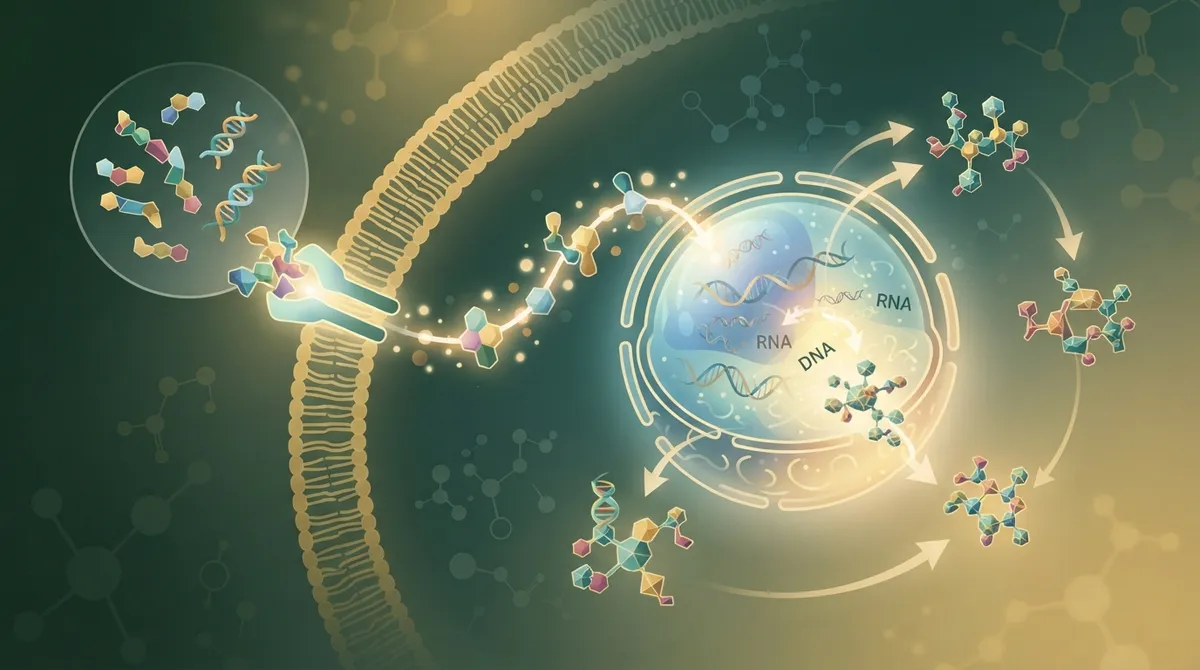
When a peptide enters your body, it binds to specific receptors on your cells. This tells those cells to do something specific, like release more growth hormone, reduce inflammation, or speed up tissue repair. It’s a bit like sending a very clear text message instead of shouting into a crowded room.
Research published by the National Library of Medicine shows that peptides interact with the body’s natural pathways, which is part of why they tend to be well tolerated. This targeted action is one of the biggest reasons peptide therapy has become so popular among people focused on healthy aging and performance.
The Growing Peptide Therapy Market
This isn’t just a passing trend. The global peptide therapeutics market was valued at around 140.9 billion dollars in 2025, and it’s projected to reach 294.6 billion dollars by 2033. That’s massive growth in less than a decade.
| Market Insight | Data Point |
|---|---|
| Global Market Value (2025) | USD 140.9 billion |
| Projected Value (2033) | USD 294.6 billion |
| Largest Region | North America (61.9% of revenue) |
| Fastest-Growing Region | Asia-Pacific |
| Peptides in Active Clinical Development | 170+ |
These numbers tell a clear story. More people and more doctors are trusting peptide therapy every year. It’s not a fad. It’s becoming a real pillar of modern wellness and medicine.
What Conditions and Goals Does Peptide Therapy Support?
Peptide therapy isn’t a one size fits all treatment. It’s flexible and can be tailored to very different goals. Here are some of the most common reasons people explore this option.
- Boosting energy and mental clarity throughout the day
- Supporting deeper, more restful sleep
- Speeding up muscle recovery after workouts or injury
- Improving skin tone, texture, and overall rejuvenation
- Supporting healthy metabolism and weight management
- Enhancing immune system function
- Improving sexual wellness and hormone balance
At peptides for women and peptides for men, treatment plans are built around your actual blood work and personal goals. This means you’re never guessing. You’re following a plan made specifically for your body.
Popular Peptides and What They Are Known For
| Peptide | Primary Focus | Popular With |
|---|---|---|
| BPC-157 | Injury recovery and tissue repair | Active adults, athletes |
| GLP-1 Medications | Weight loss and metabolism support | Wellness seekers, health optimizers |
| Growth Hormone Peptides | Muscle recovery, sleep, anti-aging | Aging adults, biohackers |
| Testosterone Support | Hormone balance and vitality | Busy professionals, aging adults |
Is Peptide Therapy Safe?
This is one of the most important questions, and a fair one to ask. The good news is that peptide therapy has a strong safety profile when it’s properly managed by licensed medical providers. Because peptides target specific pathways, they tend to be gentler on the body than many broad-spectrum medications.
That said, safety always depends on proper dosing, quality sourcing, and medical supervision. This is exactly why working with a licensed telehealth provider matters so much. You want real blood work, real monitoring, and a plan built for your unique biology, not a one-size-fits-all approach ordered online with no guidance.
Signs You’re Working With a Trustworthy Provider
- They require lab work before starting treatment
- They have licensed medical providers overseeing your care
- They offer ongoing monitoring and plan adjustments
- They are transparent about sourcing and dosing
- They are licensed to practice in your state
How to Get Started With Peptide Therapy
Starting peptide therapy might feel intimidating at first, but it’s actually a pretty simple process when you work with the right team. Here’s how it typically works from start to finish.
- Schedule a virtual consultation with a licensed provider to discuss your goals
- Complete blood work through a trusted lab like LabCorp
- Review your results with your provider to identify what your body needs
- Receive a personalized treatment plan built around your biology
- Get your peptides delivered directly to your home
- Start treatment with clear instructions for at-home administration
- Check in regularly so your plan can be adjusted as you progress
This is exactly the process used by Allura Longevity, a telehealth clinic that makes personalized peptide therapy accessible no matter how busy your schedule is. Clients start with a simple 50 dollar virtual consultation, complete labs through LabCorp, and receive a custom six month treatment plan overseen by board-certified Family Nurse Practitioner Ashley and her team.
Why Telehealth Makes This So Much Easier
Gone are the days of taking time off work for multiple in-person appointments. Telehealth peptide therapy means you can talk to a provider, get your labs done locally, and have your treatment shipped right to your door. It fits into real life, even the busiest ones.
- No waiting rooms or long drives to a clinic
- Flexible scheduling around your work and family life
- Direct home delivery of your personalized peptides
- Ongoing support without disrupting your daily routine
- Care available across multiple states, including Florida, Georgia, Texas, Connecticut, Indiana, Maryland, New York, and California
What Makes a Peptide Therapy Plan Truly Personalized
Not all peptide therapy programs are created equal. The best ones start with real data about your body, not guesswork. Blood work reveals hormone levels, inflammation markers, and other clues that shape a plan built specifically for you.
To learn more about how these tiny molecules work inside your body, check out this helpful breakdown on 8 Facts That Explain What Are Peptides in 2026. It’s a great next step if you want to understand the science in an easy, approachable way.
Questions to Ask Before Starting Treatment
- Will my treatment plan be based on my actual lab results?
- Who is monitoring my progress throughout treatment?
- How often will my plan be reviewed or adjusted?
- Is the provider licensed in my state?
- What support is available if I have questions along the way?
Bringing It All Together
Peptide therapy is one of the most exciting developments in modern wellness, and it’s easy to see why so many people are curious about it. It offers a targeted, personalized way to support energy, recovery, metabolism, and overall vitality, backed by real science and a rapidly growing body of research. Whether you’re a busy professional trying to keep up, an aging adult wanting to feel vibrant again, or a biohacker chasing your next level of performance, there’s likely a peptide protocol that fits your goals.
The most important step is choosing a provider who takes the time to understand your body and builds a plan just for you. That personalized approach is what separates real results from empty promises. If you’re ready to explore what peptide therapy could do for you, request a consultation today and take the first step toward feeling like the best version of yourself. Spots are limited each month, so don’t wait too long to start your journey toward better energy, recovery, and long-term vitality.
FAQs
Q: What is peptide therapy?
A: Peptide therapy uses small chains of amino acids to send targeted signals to your cells. It supports things like energy, recovery, metabolism, and hormone balance, and it’s often personalized to your specific blood work and goals.
Q: How does peptide therapy work?
A: Peptides bind to specific receptors on your cells, almost like a key fitting into a lock. This tells your body to do something specific, like repair tissue or boost hormone production, which is why the effects feel so targeted.
Q: Is peptide therapy safe?
A: Yes, when it’s managed by licensed medical providers who use real lab work and ongoing monitoring. Peptides tend to be gentle on the body because they target specific pathways instead of working broadly like many traditional medications.
Q: What conditions can peptide therapy help with?
A: People use peptide therapy for energy, sleep, muscle recovery, skin rejuvenation, metabolism support, weight loss, and hormone balance. Since everyone’s goals are different, treatment plans are usually customized to fit your body’s needs.
Q: How do I start peptide therapy with a telehealth provider?
A: It usually starts with a simple virtual consultation, followed by blood work through a trusted lab like LabCorp. From there, a licensed provider builds a personalized plan and ships your peptides right to your door.





