

Key Takeaways
-
Peptides are short chains of amino acids (2-50 amino acids) that work as targeted biological messengers, binding specifically to cell receptors like a key in a lock, making them more precise and efficient than larger proteins.
-
Your body already produces peptides naturally for insulin regulation, tissue repair, collagen production, and mood/sleep control, so peptide therapy enhances existing biological processes rather than introducing foreign substances.
-
Peptide therapy requires medical supervision with comprehensive blood work before treatment, ongoing monitoring, and quality-controlled sourcing, as not all peptide products undergo rigorous testing and results vary significantly by individual.
-
Different peptides target specific goals: GLP-1 peptides for weight loss, BPC-157 for injury recovery, and growth hormone peptides for muscle recovery and sleep—making personalized dosing based on your actual labs essential for effectiveness.
If you’ve been hearing the word “peptides” everywhere lately—from wellness podcasts to your friend’s suspiciously glowing skin—you’re not alone in wondering what’s actually going on. Whether you’re a busy professional squeezing self-care between meetings, a biohacker who loves a good lab report, or someone simply looking to feel more like yourself again, understanding peptides is the first step toward making smart, informed decisions about your health. Grab a cup of tea and let’s break this down together, no science degree required.
At Allura Longevity, we get asked “what are peptides” nearly every day from clients starting their wellness journey. So we put together this friendly, no-fluff guide covering everything you need to know—straight from the research and grounded in real medical understanding. Let’s dive into the eight essential facts that will make you feel like a peptide pro by the end of this article.
1. Peptides Are Simply Short Chains of Amino Acids
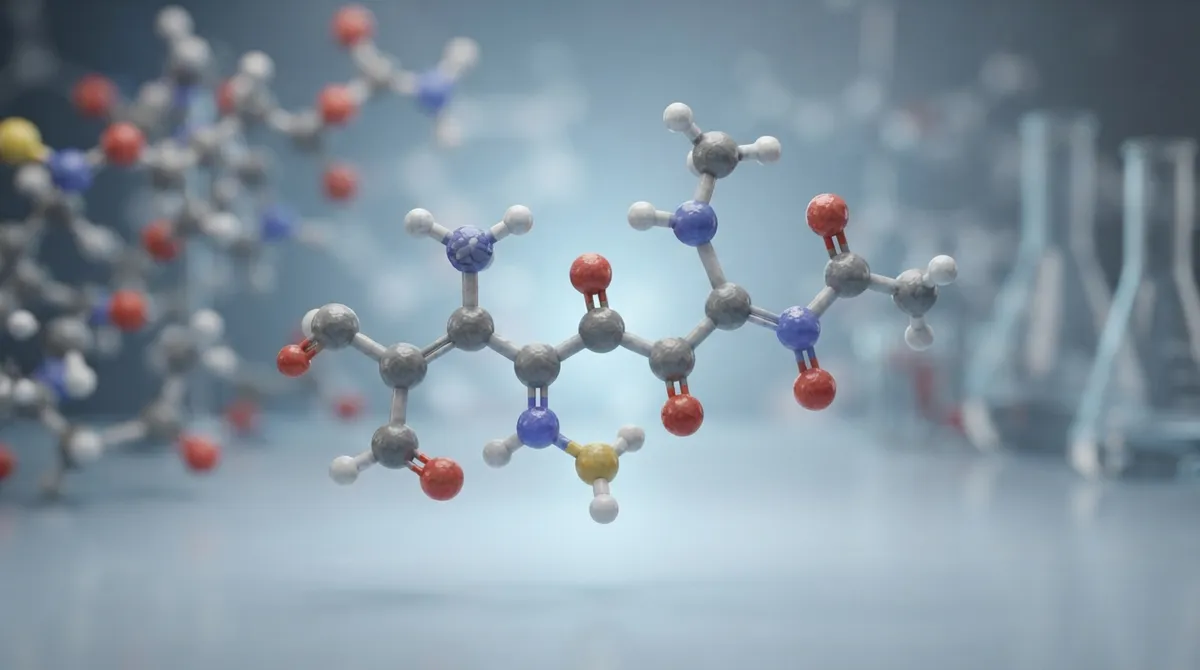
At their core, peptides are small chains made up of amino acids—the same building blocks that create proteins in your body. Think of amino acids as beads and peptides as a short bracelet, while proteins are the long, elaborate necklace. This simple structural difference is what gives peptides their unique ability to act quickly and precisely within the body.
According to a StatPearls review, peptides are formed when amino acids link together through condensation reactions, creating chains that can range dramatically in length and function. This foundational chemistry is why peptides show up in so many different roles throughout human biology.

2. Size Matters: How Peptides Differ From Proteins
One of the most common questions we hear is how peptides differ from proteins, and the answer really comes down to length. Most medical and educational sources describe peptides as containing roughly 2 to 50 amino acids, though some references extend that upper range to 100 amino acids before a chain is classified as a protein.
| Molecule Type | Amino Acid Length | Molecular Weight |
|---|---|---|
| Peptide | 2–50 (up to 100) amino acids | ~500–5,000 Da |
| Protein | 50+ amino acids | Typically much larger |
This smaller size gives peptides a unique advantage: they’re often small enough to be absorbed and utilized efficiently by the body, which is part of why they’ve become such a popular focus in personalized wellness protocols.
Why Smaller Size Can Mean Bigger Precision
Because peptides are compact, they can bind very specifically to certain receptors on your cells, almost like a key fitting into a particular lock. This precision is a big part of why peptide therapy has grown so popular among health optimizers looking for targeted results rather than a one-size-fits-all approach.

3. Your Body Already Makes Peptides Naturally
Here’s something that tends to surprise people: your body is producing peptides right now, as you read this. These naturally occurring peptides function as hormones, neurotransmitters, growth factors, and immune regulators, quietly keeping your systems running behind the scenes.
Some examples of peptides your body creates naturally include:
- Insulin, which regulates blood sugar levels
- Growth hormone-releasing peptides, which support tissue repair
- Collagen peptides, which contribute to skin and joint structure
- Various neuropeptides involved in mood and sleep regulation
This is a comforting reminder for aging adults especially: peptide therapy isn’t about introducing something foreign and strange into your body. It’s about supporting and enhancing processes your body already knows how to do.

4. Peptides Have a Long, Trusted Medical History
Peptide-based medicine isn’t some flashy new trend—it’s been part of clinical practice for close to a century. Insulin, one of the most well-known peptide hormones, has been used to treat diabetes for decades and remains a cornerstone of modern endocrinology.
According to WebMD, peptide medicines have a track record stretching back roughly 100 years, which speaks volumes about their established role in legitimate medical treatment. This history matters for wellness seekers who want reassurance that they’re exploring something with real scientific grounding, not just a passing fad.
From Insulin to Modern Applications
While insulin remains the most famous example, therapeutic peptides today are used and studied for a much wider range of applications, including tissue repair, metabolic support, and hormone regulation. This expanding body of research is exactly why personalized peptide therapy has become such an exciting option for people looking to optimize how they feel and function.
5. How Peptide Therapy Actually Works in the Body
So what happens when you introduce therapeutic peptides into your system? In simple terms, peptides work by binding to specific receptors on your cells, essentially sending a signal that tells your body to do something—repair tissue, produce more collagen, regulate appetite, or support hormone balance.
Here’s a simplified breakdown of the process:
- A peptide is administered, typically via injection, for optimal absorption
- The peptide travels through the bloodstream to target tissues
- It binds to matching receptors on relevant cells
- This binding triggers a specific biological response, such as increased repair activity or hormone release
- Over time, consistent use can support the intended outcome, whether that’s better sleep, improved recovery, or enhanced metabolism
This targeted mechanism is part of why personalized dosing matters so much. Everyone’s body chemistry is different, which is why providers typically rely on comprehensive blood work before designing a treatment plan.
6. Common Types of Peptide Therapy and Their Uses
Not all peptides are created equal, and different peptides are used for very different goals. Biohackers and health optimizers in particular tend to appreciate how specific and customizable these options can be.
| Peptide Category | Primary Goal | Popular With |
|---|---|---|
| GLP-1 Medications | Weight loss, appetite regulation, metabolic support | Wellness seekers, health optimizers |
| BPC-157 | Injury recovery, tissue repair, gut health | Biohackers, active adults |
| Growth Hormone Peptides | Muscle recovery, sleep quality, anti-aging | Aging adults, busy professionals |
| Testosterone Support Peptides | Hormone balance, energy, sexual wellness | Aging adults, health optimizers |
These categories only scratch the surface, but they illustrate how targeted peptide therapy can be when it’s designed around your specific health goals rather than a generic protocol.
7. Peptide Therapy Claims vs. What’s Actually Backed by Research
Let’s talk honestly for a moment: the wellness world can get a little enthusiastic with its marketing. You’ll see peptide products promoted for everything from anti-aging miracles to dramatic muscle gains, and while some of these benefits have real scientific support, others are still being studied or apply only to specific formulations and dosages.
According to Harvard Health, it’s important to understand that not all peptide products carry the same level of regulatory approval or clinical evidence, and quality can vary significantly between sources. This is exactly why working with licensed medical providers matters so much.
Why Medical Supervision Makes the Difference
When peptide therapy is guided by a board-certified provider using your actual blood work, you’re getting a plan built around your body’s real needs rather than generic marketing promises. This is the approach we take, where every treatment plan starts with lab testing through LabCorp and ongoing monitoring to make sure your protocol is actually working for you.
8. Safety, Quality, and What to Look for in a Provider
Because peptide products and their regulatory status vary so widely, safety really comes down to sourcing and supervision. Not every product on the market has gone through rigorous testing, so choosing a reputable, medically supervised provider is one of the most important decisions you’ll make in this process.
Here are a few things worth prioritizing when considering peptide therapy:
- Comprehensive blood work before starting any treatment plan
- Board-certified medical providers overseeing your care
- Ongoing monitoring and dose adjustments based on your results
- Transparent sourcing and quality control for peptide products
- Clear communication about realistic expectations and timelines
According to Medical News Today, potential side effects and interactions can vary depending on the specific peptide and individual health factors, which reinforces why professional guidance is so valuable rather than optional. If you’re ready to explore what a personalized approach could look like for you, you can request a consultation to get started with blood work and a tailored plan.
Bringing It All Together: Your Next Step With Peptides
Peptides are fascinating little molecules with a big job description—supporting everything from hormone balance to tissue repair to metabolic health. Whether you’re drawn to peptide therapy for weight loss, recovery, skin rejuvenation, or simply feeling more like your best self again, understanding the fundamentals helps you make confident, informed choices.
At Allura Longevity, our approach starts with a simple $50 virtual consultation and comprehensive blood work, so your six-month treatment plan is built entirely around your unique biology, not guesswork. Led by board-certified Family Nurse Practitioner Ashley and her team, care includes ongoing monitoring and adjustments, with peptides delivered right to your door no matter where you live in the country. If you’re curious about how personalized peptide therapy could support your energy, recovery, or longevity goals, take the next step and request a consultation today. Your future self might just thank you for it.
FAQs
Q: What are peptides in simple terms?
A: Peptides are just short chains of amino acids, the same building blocks that make up proteins, but much smaller and often more targeted in their action. Think of them as tiny messengers that tell specific cells in your body what to do, like repair tissue or regulate hormones.
Q: How do peptides differ from proteins?
A: The main difference is size! Peptides typically have somewhere between 2 and 50 amino acids (sometimes up to 100), while proteins are much longer chains. This smaller size lets peptides move through the body more efficiently and bind precisely to specific receptors.
Q: What is peptide therapy used for?
A: Peptide therapy is used for a wide range of goals, including weight loss, muscle recovery, injury healing, hormone balance, skin rejuvenation, and improved energy or sleep. The specific peptide used really depends on your individual health goals and what your blood work shows.
Q: Are peptide therapy products safe?
A: Safety really depends on quality sourcing and medical supervision, since not all peptide products go through the same rigorous testing. That’s why working with a licensed provider who orders proper lab work and monitors your progress is so important for a safe, effective experience.
Q: Do peptides help with weight loss or muscle growth?
A: Yes, certain peptides like GLP-1 medications are specifically used to support weight loss and appetite regulation, while others are geared toward muscle recovery and growth hormone support. Results vary by individual, which is why a personalized plan based on your labs tends to work best.
Our Service Area





