

Key Takeaways
-
Only a handful of peptides have FDA approval for men's health; semaglutide, tirzepatide, tesamorelin, and recombinant HGH are approved only for specific conditions, while popular compounds like ipamorelin and CJC-1295 lack broad FDA approval.
-
Proper lab testing is non-negotiable: baseline fasting morning testosterone, confirmation testing, and follow-up monitoring at 3-6 months are essential to ensure safe dosing and catch side effects early.
-
Testosterone is a steroid hormone, not a peptide, so testosterone replacement therapy follows different diagnostic criteria and monitoring protocols than peptide therapy, even when offered together.
-
Compounded peptides ordered online carry real risks including contamination, incorrect potency, and immunogenicity concerns; always source from regulated pharmacies and work with licensed medical providers.
-
Approximately 35% of men over 45 have hypogonadism, climbing to 30-50% among obese men or those with type 2 diabetes; diagnosis requires repeat blood tests confirming low morning testosterone before treatment.
-
Choose providers who require blood work before prescribing, discuss your health history and fertility plans, provide ongoing monitoring, and source peptides from regulated pharmacies rather than unregulated sellers.
If you’ve been scrolling through wellness forums or chatting with your gym buddies, you’ve probably heard the buzz about peptide therapy for men. Maybe you’re feeling more tired than usual, noticing your workouts aren’t paying off like they used to, or just wanting to feel like the best version of yourself again. You’re not alone, and honestly, it’s a great question to be asking. But here’s the thing: “peptide therapy for men” isn’t one single treatment. It’s a whole category, and understanding what’s actually backed by science versus what’s just clever marketing can save you time, money, and potential health risks.
In this friendly, no-nonsense guide, we’ll walk through nine essential facts every man should know before starting peptide therapy. We’ll cover what’s FDA-approved, what’s still experimental, and how testosterone fits into the picture. Think of this as the conversation a knowledgeable friend would have with you over coffee, minus the sales pitch.
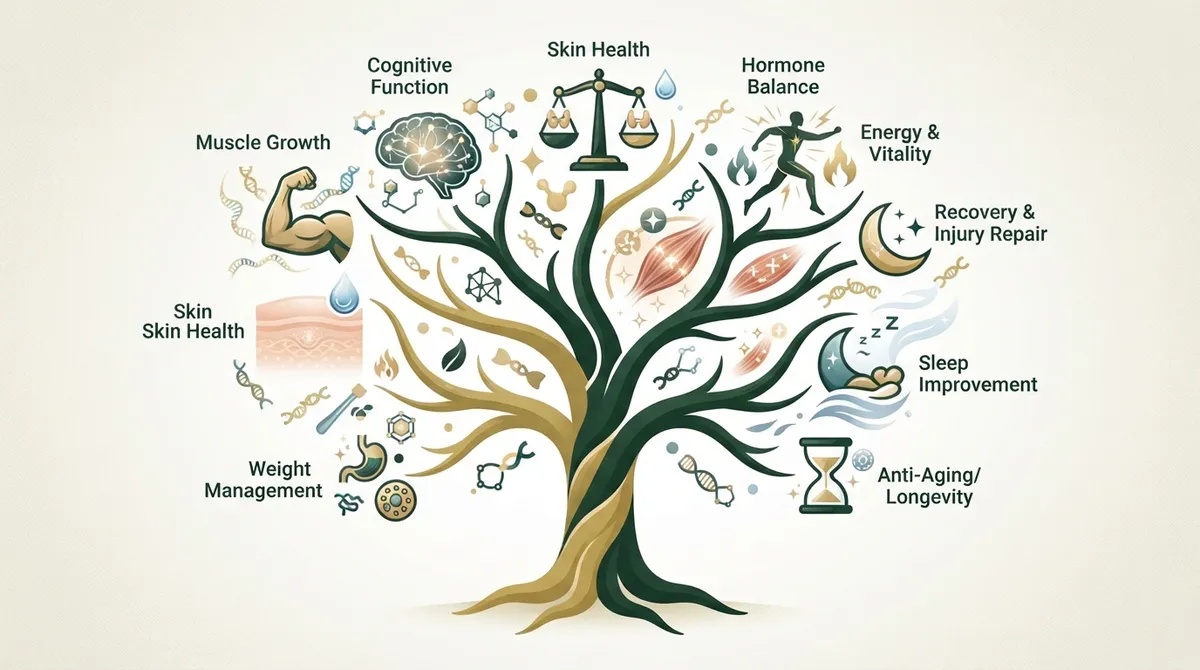
1. “Peptide Therapy for Men” Is a Broad Umbrella Term
Here’s something that surprises a lot of people: peptide therapy isn’t a single product or protocol. It’s more like an umbrella that covers many different compounds, each with its own purpose and evidence level. Some peptides are FDA-approved medicines. Others are experimental compounds still being studied. And some are marketed aggressively online without much human safety data behind them at all.
Understanding this distinction matters because your health decisions should be based on solid evidence, not just clever branding. If you want a deeper dive into the basics, check out this helpful resource on what peptides actually are and how they work in the body.
Why This Distinction Matters
Think of peptides like tools in a toolbox. A hammer works great for nails but terribly for screws. Similarly, a peptide approved for one condition (like HIV-related fat loss) might not have any proven benefit for muscle building or anti-aging, even if a clinic markets it that way.
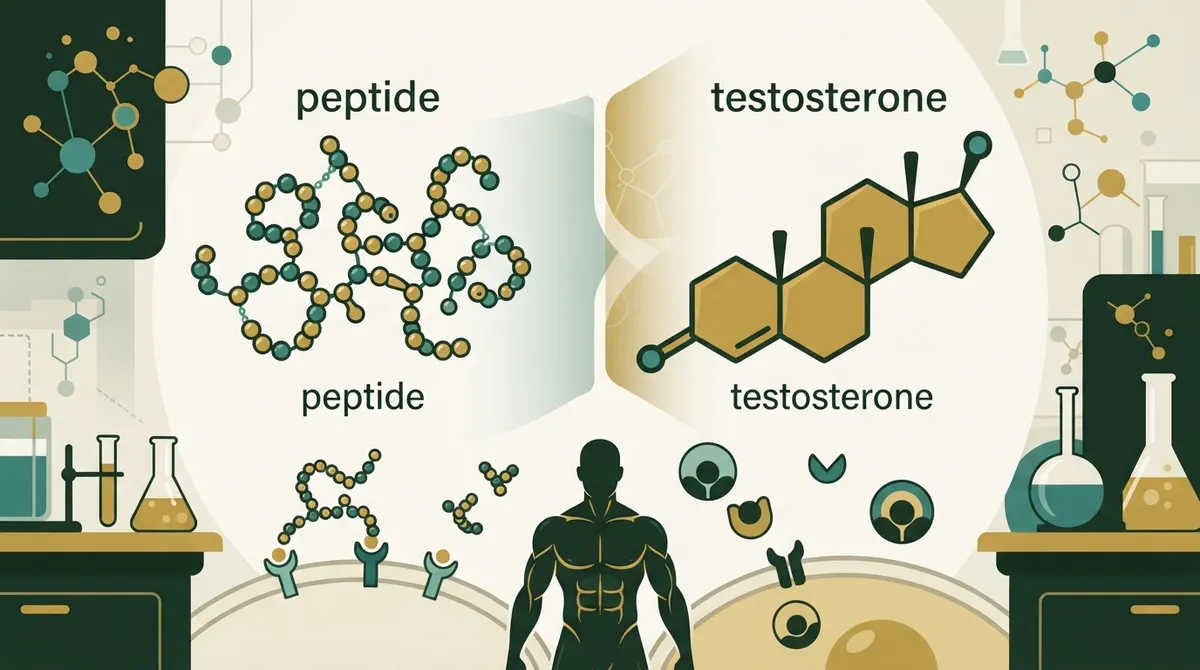
2. Testosterone Isn’t Technically a Peptide
This one trips people up constantly. Testosterone is a steroid hormone, not a peptide. Many men’s clinics bundle testosterone replacement therapy (TRT) alongside peptide treatments, which makes sense from a convenience standpoint, but they’re biologically different and come with separate rules for diagnosis and monitoring.
If low testosterone is your main concern, you’ll want a provider who understands both peptide therapy and hormone therapy as distinct paths. Learning how to tell when men need hormone therapy can help you figure out which direction makes sense for your situation.
3. Only a Handful of Peptides Have FDA Approval for Men’s Health
Let’s talk numbers. Despite the huge variety of peptides marketed online, only a small group actually has FDA approval, and even then, only for specific conditions. Here’s a quick breakdown:
| Peptide/Medicine | FDA-Approved Use | Common Off-Label Marketing |
|---|---|---|
| Semaglutide | Type 2 diabetes, chronic weight management | General fat loss, muscle definition |
| Tirzepatide | Type 2 diabetes, chronic weight management | Bodybuilding, rapid weight loss |
| Tesamorelin | Excess abdominal fat in HIV-related lipodystrophy | General belly fat reduction |
| Recombinant HGH | Specifically diagnosed growth hormone deficiency | Anti-aging, muscle growth |
Notice a pattern? The approved uses are narrow and specific. Anything promoted outside these lanes is considered off-label or experimental, which doesn’t mean it’s automatically bad, but it does mean you need a much closer look at the evidence.
4. Many Popular Peptides Lack Strong Human Evidence
You’ve probably seen names like ipamorelin, CJC-1295, GHRP-2, BPC-157, TB-500, and AOD-9604 floating around wellness clinics and social media. Here’s the honest truth: none of these have broad FDA approval for muscle growth, anti-aging, injury recovery, or general wellness.
That doesn’t mean they’re useless. Some have promising early research. But it does mean the evidence is still developing, and safety data over the long term is limited. If you’re curious about specific compounds, resources like 9 BPC-157 peptide facts to know before you start or Ipamorelin peptide therapy benefits, dosing, and safety can help you separate hype from reality.
A Word on FDA Warnings
The FDA has flagged real concerns about compounded peptides, including contamination risks, incorrect potency, and immune reactions. Injectable peptides in particular carry a higher risk of immunogenicity, which in rare cases can lead to serious allergic reactions like anaphylaxis. This is exactly why working with a licensed provider matters so much.
5. Hypogonadism Is More Common Than You Might Think
Here’s a stat that might surprise you: approximately 35% of men over 45 are estimated to have hypogonadism, according to Endocrine Society patient information. Among men with obesity or type 2 diabetes, that number climbs to somewhere between 30% and 50%.
If you’ve been feeling foggy, fatigued, or noticing changes in muscle mass or libido, low testosterone could be part of the picture. But diagnosis isn’t as simple as one blood draw. The Endocrine Society recommends confirming low morning testosterone levels with a repeat measurement before jumping into treatment.
6. Proper Lab Testing Is Non-Negotiable
Whether you’re considering peptide therapy, testosterone therapy, or a combination, lab work forms the foundation of any responsible treatment plan. Here’s a simple breakdown of what proper monitoring typically involves:
- Baseline testing — Fasting morning total testosterone, along with other relevant markers based on your goals and health history.
- Confirmation testing — A repeat measurement to confirm any abnormal results before starting treatment.
- Follow-up monitoring — Testosterone and hematocrit levels checked around 3 to 6 months after starting therapy.
- Ongoing check-ins — Periodic monitoring and prostate-risk assessment when clinically appropriate.
Skipping these steps isn’t just risky, it’s how people end up with side effects nobody warned them about. If you want to understand this process better, 5 blood work analysis steps before peptides in 2026 breaks it down clearly.
7. Common Goals Men Pursue With Peptide Therapy
So what are men actually hoping to achieve? The goals tend to fall into a few common buckets:
- Weight management and metabolic health support
- Improved body composition and muscle recovery
- Growth-hormone-axis related effects like sleep and recovery
- Sexual wellness and reproductive health support
- Faster recovery from injuries or intense training
- General energy, focus, and vitality improvements
Each of these goals connects to different compounds with wildly different levels of supporting evidence. If weight loss is your main priority, which weight loss peptides actually work in 2026 offers a clear, evidence-based rundown.
8. Compounded Peptides Come With Real Risks
It’s tempting to order peptides online, especially when they’re labeled “research use only” and seem way cheaper. But here’s the catch: products sold this way often aren’t held to the same manufacturing standards as prescription medicines.
According to a 2024 FDA review, compounded peptides raised real immunogenicity concerns, especially with injectable products. The review specifically noted limited clinical safety data for some subcutaneous compounds. This is a case where the phrase “buyer beware” really applies. Learning how to get prescription peptides safely in 2026 can help you avoid these pitfalls entirely.
Signs You’re Working With a Trustworthy Source
- They require blood work before prescribing anything
- A licensed medical provider reviews your health history
- They discuss your fertility plans, cardiovascular risk, and cancer history
- They provide ongoing monitoring, not just a one-time sale
- Peptides are sourced from regulated pharmacies, not unregulated overseas sellers
9. The Right Provider Makes All the Difference
This might be the most important fact on this list. Peptide therapy for men works best when it’s personalized, medically supervised, and based on your actual lab results, not a one-size-fits-all protocol pulled off a template.
This is exactly where Allura Longevity comes in. As a telehealth clinic offering personalized peptide therapy, Allura Longevity pairs you with licensed medical providers who review your blood work through LabCorp and build a customized six-month treatment plan around your specific goals. Led by Ashley, a board-certified Family Nurse Practitioner, the team focuses on real results through ongoing monitoring and adjustments, not guesswork. Everything ships straight to your door, which is a huge win if you’re a busy professional who doesn’t have time for repeated in-office visits.
For a deeper look at how the process works from start to finish, this guide on how to start peptide therapy safely and see real results walks through what to expect. And if you’re weighing your options between local clinics and virtual care, local clinic vs. telehealth: best peptide therapy near you is worth a read too.
Putting It All Together
Peptide therapy for men isn’t a magic bullet, and it isn’t a scam either. It’s a nuanced, evolving field where some treatments have strong FDA backing and solid clinical evidence, while others are still being studied. According to the what are peptides overview from WebMD, peptides are simply short chains of amino acids that play many roles in the body, but that doesn’t mean every peptide product on the market is safe or effective.
Research published through the National Library of Medicine continues to explore how various peptides affect metabolism, recovery, and hormone regulation, but much of this research is still in early stages for many popular compounds. The bottom line? Talk to a licensed provider, get your labs done, and make decisions based on evidence, not internet hype.
Quick Reference: Questions to Ask Before Starting
| Question | Why It Matters |
|---|---|
| Is this peptide FDA-approved for my specific condition? | Determines evidence quality and regulatory oversight |
| Will I need blood work before and during treatment? | Ensures safe dosing and monitoring for side effects |
| Who is prescribing and supervising my care? | Licensed providers reduce risk of complications |
| Where is the peptide sourced from? | Regulated pharmacies reduce contamination risk |
Feeling more confident about navigating this space? You should! Knowledge really is power here, especially when it comes to your health and hard-earned money.
Ready to Take the Next Step?
If you’re ready to explore whether peptide therapy fits your health goals, you don’t have to figure it out alone. Allura Longevity offers a simple starting point: a $50 virtual consultation, comprehensive lab work, and a personalized six-month plan built around your unique biology. With licensed providers, nationwide telehealth availability, and convenient at-home delivery, getting started has never been easier. Spots fill up fast each month, so if you’ve been thinking about it, now’s a great time to request a consultation and see what a personalized plan could look like for you. You can also reach the team directly at (813) 510-6277 with any questions.
FAQs
Q: What is peptide therapy for men, and what conditions can it treat?
A: Peptide therapy for men is a broad term covering FDA-approved medicines, experimental compounds, and hormone-related treatments. Depending on the specific peptide, it may help with weight management, metabolic health, recovery, or hormone-related concerns, but each use case needs its own evidence review.
Q: Which peptides are FDA-approved for men’s health?
A: Semaglutide and tirzepatide are approved for diabetes and chronic weight management, tesamorelin is approved for HIV-related abdominal fat, and recombinant human growth hormone is approved for specifically diagnosed conditions. Approval always depends on the exact product, dose, and indication, so it’s worth double-checking with your provider.
Q: Are ipamorelin, CJC-1295, BPC-157, or TB-500 FDA-approved?
A: Nope, none of these currently have broad FDA approval for muscle growth, anti-aging, or injury recovery. That doesn’t mean they’re automatically harmful, but it does mean the human safety and efficacy data is still limited, so proceed thoughtfully and with medical guidance.
Q: What is the difference between testosterone replacement therapy and peptide therapy?
A: Great question, and one that trips up a lot of people! Testosterone is a steroid hormone, not a peptide, so TRT follows its own diagnostic criteria and monitoring schedule. Peptide therapy involves different compounds entirely, even though both are sometimes offered together at the same clinic.
Q: What blood tests are needed before starting peptide therapy?
A: Most responsible providers start with baseline labs, often including fasting morning testosterone, to establish your starting point. Follow-up testing around 3 to 6 months later helps confirm the treatment is working safely, and periodic monitoring continues from there.





