

Key Takeaways
-
BPC-157 lacks FDA approval for any condition and has zero completed controlled human efficacy trials; only one small uncontrolled chart review and a tiny safety pilot exist in humans, making clinical recommendations premature.
-
Most compelling BPC-157 research comes from animal studies on rodents, not humans; results cannot be reliably translated to human injury recovery without proper clinical trials.
-
No scientifically validated human dose, duration, or treatment protocol exists for BPC-157; animal doses cannot be safely converted to human dosing without rigorous pharmacokinetic studies.
-
Unregulated BPC-157 products carry real risks including inaccurate labeling, contamination, incorrect concentration, and injection complications; controlled human safety data is completely lacking.
-
Competitive athletes face strict bans on BPC-157 under World Anti-Doping Agency rules; testing positive can carry serious career consequences regardless of injury recovery justification.
-
Evidence-based physical therapy and structured rehabilitation remain the proven gold standard for injury recovery; any peptide therapy should only complement, not replace, established medical treatment.
If you’ve ever pulled a hamstring, tweaked your shoulder, or dealt with a nagging tendon that just won’t heal, you know how frustrating slow recovery can feel. You want to get back to your workouts, your sport, or just everyday life without pain holding you back. That’s why so many people are asking about BPC-157 for injury recovery. It’s one of the most talked-about peptides in wellness circles right now, and for good reason. But before you jump on the bandwagon, let’s walk through what the science actually says, what’s still unproven, and how to approach this peptide safely and smartly.
We’re going to break this down into 9 clear, honest facts. No hype, no exaggerated promises. Just the real story on BPC-157, backed by current research, so you can make an informed decision with your health provider. Think of this as your friendly, no-nonsense guide to one of the most popular topics in peptide therapy today.
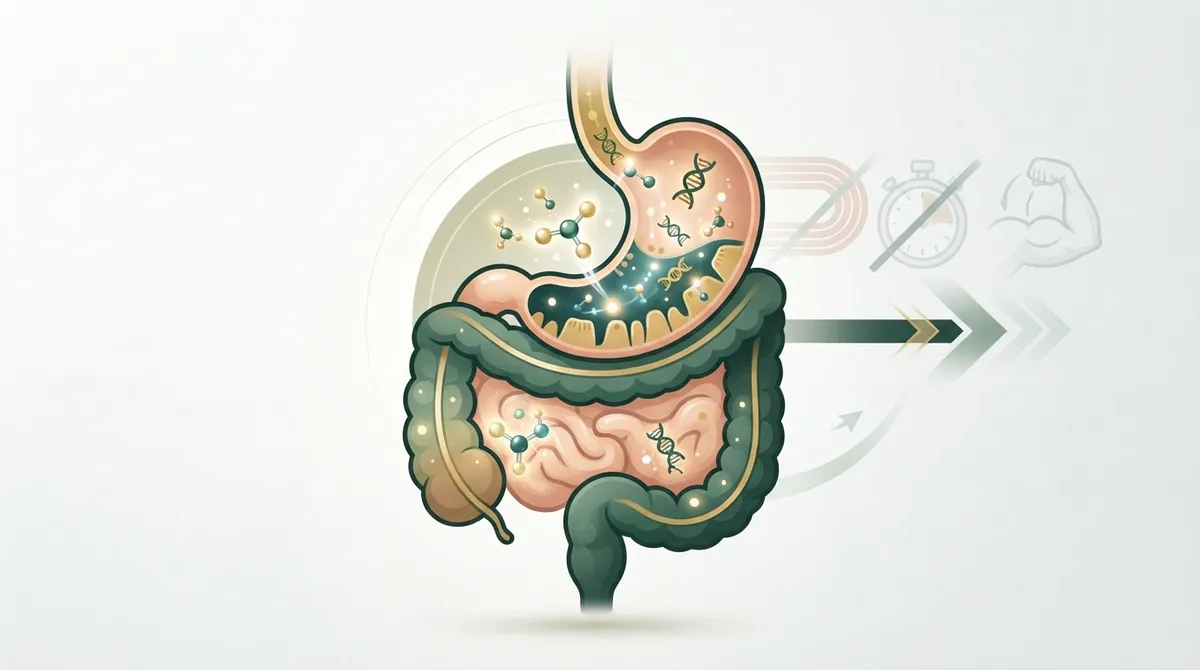
1. BPC-157 Started as a Gut-Healing Peptide, Not a Sports Injury Fix
Here’s something that surprises a lot of people: BPC-157 wasn’t originally studied for tendons or muscles at all. This synthetic 15-amino-acid peptide was first researched for its potential to protect the stomach lining. Over time, researchers noticed it seemed to influence tissue repair more broadly, which is how it landed in the injury recovery conversation. If you want a deeper primer on how peptides work in general, check out this helpful breakdown of what peptides are and how they function in the body.
Today, BPC-157 is marketed heavily for tendon, ligament, muscle, joint, and bone support. But it’s important to understand this use is still considered investigational. That word matters, and we’ll come back to it throughout this article.

2. Most of the Exciting Research Comes From Animal Studies
Let’s be real with each other here. When people talk about BPC-157 “healing” injuries, they’re usually referencing lab studies done in rodents, not humans. These preclinical studies have reported some genuinely interesting findings, including:
- Improved collagen organization in healing tissue
- Better blood vessel formation around injury sites
- Stronger biomechanical tissue strength in tendon rupture models
- Faster functional recovery in muscle damage and fracture models
- Positive changes in rotator-cuff injury models
These results sound promising, and they are worth paying attention to. But animal biology and human biology don’t always match up the same way. A rat’s tendon healing response isn’t a guaranteed preview of what will happen in a human shoulder or knee. That gap between animal data and human results is exactly why more research is needed before anyone can call BPC-157 a proven injury treatment.
3. Human Evidence Is Thin, and That’s Being Generous
This is the part that gets glossed over in a lot of online chatter. According to the National Library of Medicine, the human evidence for BPC-157 in injury recovery is extremely limited. There’s a small, uncontrolled knee-pain chart review and a tiny intravenous safety pilot. Neither one is strong enough to prove that BPC-157 reliably treats injuries.
Here’s a quick look at what that human evidence actually includes:
| Study Type | Sample Size | Key Limitation |
|---|---|---|
| Knee-pain chart review | 16 patients (12 BPC-157 alone, 4 combined with TB-4) | No control group; follow-up 6-12 months |
| IV safety/pharmacokinetic pilot | 2 healthy adults | Too small to establish safety |
| Controlled efficacy trials | 0 completed | No high-quality human proof exists |
In that knee-pain chart review, 7 out of 12 patients receiving BPC-157 alone reported subjective pain improvement lasting more than 6 months. That sounds encouraging, but remember, this is patient-reported data with no control group. It simply cannot prove that BPC-157 caused the improvement.
4. A 2025 Systematic Review Sums Up the Current State of Research
A 2025 systematic review looked specifically at BPC-157 in orthopaedic sports medicine. It analyzed 36 relevant studies published through June 2024. Of those, 35 were preclinical animal studies, and only 1 was an uncontrolled human chart review. There were zero completed controlled human efficacy trials.
The review’s conclusion was clear and important: preclinical results look promising, but there is no clinical safety data in humans. The researchers stated that the lack of high-quality human trials, combined with risks tied to unregulated manufacturing, makes clinical recommendations premature. That’s not us being cautious for the sake of it. That’s the actual scientific consensus right now.
5. BPC-157 Has No FDA Approval for Any Condition
This one deserves its own spotlight because it gets misunderstood so often. BPC-157 has no FDA-approved indication for tendon repair, muscle healing, bone healing, pain, or any other medical condition. None. Zero. It’s not approved as a drug for humans at all.
On top of that, the FDA identified BPC-157 as a Category 2 bulk drug substance in 2023. In simple terms, this means it’s not eligible for routine compounding under the standard 503A bulk-substance framework. Rules can vary by state and may change over time, so it’s always smart to verify current regulations with licensed medical providers rather than relying on outdated online claims. Learn more about the current landscape by reading 10 Facts About BPC-157 Online Prescriptions in 2026.
6. The Risks Are Real, Even If Rare Reports Get the Spotlight
It’s easy to focus only on potential benefits and forget about safety. But because BPC-157 lacks controlled human safety studies, there’s a lot we simply don’t know yet. Here are the risks worth understanding before considering any peptide:
- Inaccurate labeling on unregulated products
- Impurities or contamination from unverified sources
- Incorrect concentration leading to under- or overdosing
- Injection site complications or infections
- Allergic reactions
- Unknown long-term biological effects in humans
Just because animal studies haven’t reported major adverse effects doesn’t mean the peptide is proven safe for people. That’s a common misunderstanding, and it’s one worth clearing up right away. If you’re curious about a broader safety picture, this resource on what the research really shows about BPC-157 safety goes into more depth.
7. There’s No Validated Dose, Duration, or Protocol
Here’s a fact that surprises a lot of biohackers and data-driven wellness fans: there is no scientifically validated human dose for BPC-157. Animal tendon studies have tested doses ranging wildly, from 10 micrograms/kg down to 10 nanograms/kg and even 10 picograms/kg in rats. These numbers cannot simply be converted into a “safe human dose.”
Reviews report BPC-157’s plasma half-life is less than 30 minutes, but pharmacokinetic data remains limited. We don’t have solid clinical information on how subcutaneous, oral, or intra-articular forms behave once they’re actually in the human body. Any dosing chart you see online promising a “proven protocol” should be treated with healthy skepticism. If you want to understand how personalized dosing actually should work under medical supervision, this guide on BPC-157 dosage facts you need in 2026 is a smart next read.
8. Competitive Athletes Face Extra Rules
If you’re a competitive athlete, there’s another layer to consider. BPC-157 is prohibited by the World Anti-Doping Agency under its non-approved substances category. This applies broadly across many organized sports, from college athletics to professional leagues.
Before considering any investigational peptide, athletes should:
- Check current anti-doping rules for their specific sport or league
- Consult a qualified sports-medicine professional
- Avoid assuming supplement store products are compliant or safe
- Understand that testing positive can carry serious career consequences
This is one area where “everyone’s doing it” advice from online forums can seriously backfire. Athletic careers are too valuable to risk on unverified claims.
9. Medical Evaluation and Evidence-Based Rehab Still Matter Most
Here’s the encouraging part. Even with all these unknowns around BPC-157, there are proven, evidence-based paths to injury recovery. Physical therapy, structured rehab programs, and medically supervised care remain the gold standard. Peptide therapy, when appropriate, should complement this foundation, not replace it.
| Approach | Evidence Level | Best Used For |
|---|---|---|
| Physical therapy/rehab | Strong, well-established | Most soft tissue and joint injuries |
| PRP (platelet-rich plasma) | Moderate, growing clinical support | Tendon and joint conditions |
| BPC-157 peptide therapy | Preclinical only; investigational in humans | Under medical guidance as a complementary option |
This is exactly why working with a licensed provider matters so much. At Allura Longevity, treatment plans are built around your actual blood work and health history, not guesswork. Our approach reflects the guidance found in resources like How to Start Peptide Therapy Safely and See Real Results, which emphasizes medical oversight over DIY protocols.
How Allura Longevity Approaches Injury Recovery Support
We get it. Waiting around for injuries to heal is no fun, especially when you’re busy, active, or simply tired of feeling limited. That’s why Allura Longevity focuses on personalized care instead of one-size-fits-all promises. Every client starts with a simple $50 virtual consultation, followed by comprehensive blood work through LabCorp.
From there, our licensed providers, led by board-certified Family Nurse Practitioner Ashley, build a customized six-month treatment plan based on your actual results and goals. Peptides are shipped directly to your door for convenient at-home use, and your plan gets monitored and adjusted along the way. This is a far cry from grabbing an unverified product online and hoping for the best.
We proudly offer telehealth services nationwide and are licensed in Florida, Georgia, Texas, Connecticut, Indiana, Maryland, New York, and California. If you’re weighing your options, this comparison on local clinic vs. telehealth peptide therapy might help clarify which path fits your lifestyle best.
What This Means for Different Types of Readers
Let’s bring this back to you specifically, because everyone reading this has slightly different goals.
- Health optimizers: You want energy and recovery gains backed by real science, not hype. Stick with providers who are transparent about what’s proven and what’s still investigational.
- Aging adults: Joint and tissue recovery becomes more important with age. Medical supervision helps you avoid unnecessary risks while still exploring modern options.
- Biohackers: You love data. Use that mindset here too. Demand real blood work, real monitoring, and real transparency about limited human trials.
- Busy professionals: Telehealth means you don’t have to sacrifice convenience for quality care. A quick virtual visit can fit into even the busiest week.
- Wellness seekers: If you’re already investing in your health, adding a properly supervised peptide plan can be a natural next step, as long as it’s done responsibly.
No matter which group you fall into, the theme is the same: informed decisions beat impulsive ones every single time.
Ready to Explore Your Options the Right Way?
BPC-157 remains an exciting area of research, but it’s not a magic fix, and anyone promising guaranteed results is skipping over some pretty important facts. The smartest path forward is working with licensed medical providers who base your plan on real lab work, honest conversations, and ongoing monitoring. That’s exactly the kind of care Allura Longevity was built to provide.
Spots for new clients open up each month, and they tend to fill quickly. If you’re ready to talk through your injury recovery goals with a real medical provider, request a consultation today and take the first step toward a personalized plan built just for you. You can also call us directly at (813) 510-6277 to ask questions before you get started.
FAQs
Q: Does BPC-157 actually help injuries heal faster?
A: The honest answer is, we don’t know for sure yet! Animal studies show promising tissue-healing effects, but human research is far too limited to confirm real-world results. If you’re considering it, talk with a licensed provider who can walk you through what’s actually proven versus what’s still theoretical.
Q: Is BPC-157 FDA-approved for tendon, ligament, or muscle injuries?
A: Nope, not at all. BPC-157 has no FDA approval for any medical condition, including injury recovery. It was also flagged as a Category 2 bulk drug substance in 2023, which limits routine compounding under standard rules.
Q: What does the human research say about BPC-157 for injury recovery?
A: Human evidence is pretty thin right now, friend. A 2025 systematic review found only one uncontrolled chart review and a tiny safety pilot, with zero completed controlled human efficacy trials. That’s why medical guidance matters so much here.
Q: What are the risks and side effects of BPC-157 injections?
A: Because controlled human safety studies are lacking, risks include inaccurate labeling, contamination, incorrect concentration, and injection complications. It’s a good reminder that working with a licensed provider for sourcing and monitoring is always the safer route.
Q: Can BPC-157 be legally prescribed or compounded in the United States?
A: Regulations here can be tricky and vary by state, so it’s best to verify current rules with a licensed medical provider rather than relying on internet claims. Allura Longevity stays current on these guidelines so you don’t have to navigate them alone.





