
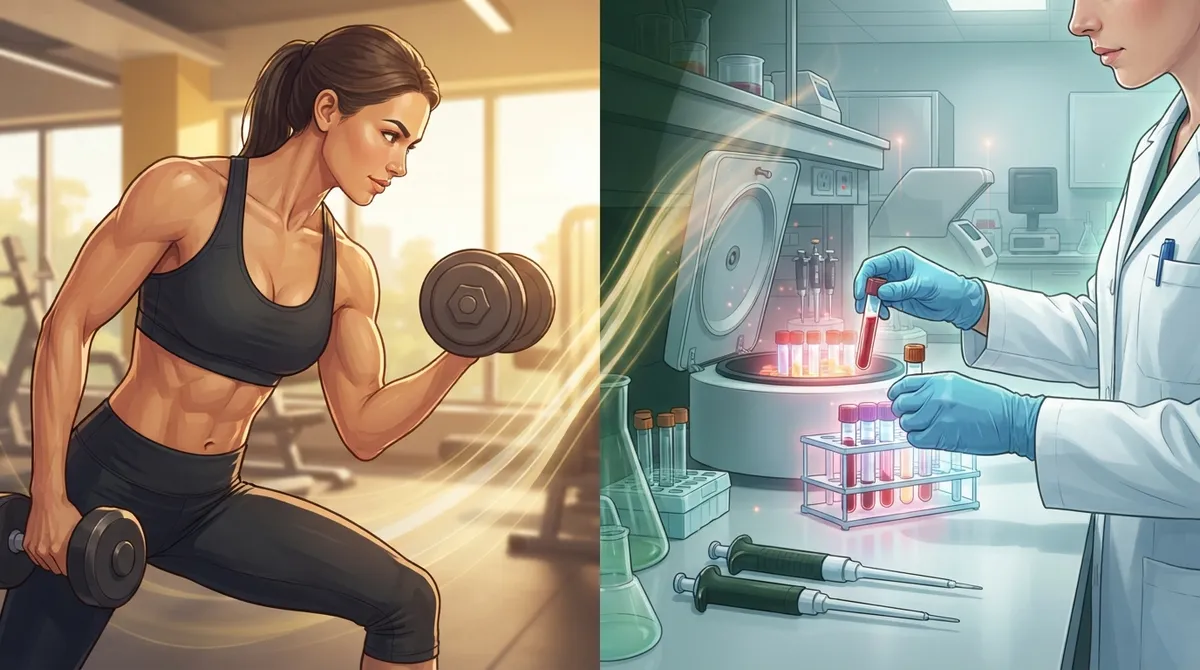
Key Takeaways
-
Testosterone therapy can genuinely help build muscle mass, but only for men with confirmed low testosterone through repeated blood testing—it's a treatment for a diagnosed condition, not a general muscle-building supplement.
-
Menopausal hormone therapy was not designed to fix muscle loss; a 2025 review of 43 studies found mixed results with only 2 of 6 grip-strength studies and 1 of 6 physical-performance studies showing benefits.
-
Growth hormone peptides like sermorelin and ipamorelin lack sufficient evidence to be recommended as routine treatments for age-related muscle loss, despite significant marketing claims about their effectiveness.
-
Progressive resistance exercise and adequate protein intake remain the most reliable ways to preserve and build muscle; hormone therapy should support these habits, not replace them.
-
Before starting any hormone or peptide treatment, get comprehensive blood work done to confirm actual hormone deficiencies rather than relying on symptoms, and work only with licensed medical providers.
-
Muscle loss has multiple causes beyond hormones including inactivity, inadequate protein, chronic illness, and certain medications, so proper evaluation should identify the root cause before prescribing treatment.
If you’ve noticed your muscles feeling softer, weaker, or smaller no matter how hard you train, you’re not imagining things. Muscle loss is real, and it happens to almost everyone as they age. But here’s the confusing part: the internet is full of promises that “hormone therapy” will fix it. Some claims are true. Many are not. Today, we’re going to sort through the noise together, in plain language, so you know exactly what the science says.
Whether you’re a busy professional squeezing in gym time before work, a biohacker who loves tracking every lab number, or someone simply trying to feel like yourself again, this guide is for you. We’ll walk through 14 honest facts about hormone therapy and muscle loss, including where peptide therapy fits in. By the end, you’ll know what’s proven, what’s promising, and what still needs more research.
1. “Hormone Therapy” Is Not One Single Treatment
People often use “hormone therapy” as if it means one thing. It doesn’t. Menopausal hormone therapy (MHT) is different from testosterone replacement therapy, which is different again from growth hormone peptides. Each works in a different way, treats different symptoms, and has different evidence behind it.
This matters because muscle loss solutions get mixed up all the time. Before starting anything, it helps to understand what are peptides and how they differ from traditional hormone prescriptions.

2. Menopausal Hormone Therapy Was Not Designed to Fix Muscle Loss
MHT helps with hot flashes, mood changes, and other menopause symptoms. It was never designed as a muscle-building treatment. A 2025 systematic review looked at 43 studies on this exact question, according to research published in Maturitas.
The results were mixed at best. Among 15 randomized trials, only 2 of 6 studies found a grip-strength benefit. Only 1 of 6 found a physical-performance benefit. And 7 of 12 found some benefit in muscle quantity based on imaging. That’s not a clear win. It’s a coin flip with a lot of asterisks.
Why the Evidence Is Shaky
The studies had serious limitations. Many used older hormone formulations that aren’t commonly prescribed today. Bias risk was rated high or severe in several trials. So when someone tells you MHT will “restore your muscle,” take that claim with a big grain of salt.
3. Lean Body Mass Is Not the Same as Muscle
Here’s a detail that gets lost in marketing. A large meta-analysis of 12 randomized trials, involving 4,474 participants, found that MHT was linked to just 0.06 kg less lean-body-mass loss compared to no treatment. That difference was not statistically significant, according to a systematic review published in JAMA Network Open.
Also, “lean body mass” includes organs, water, and bone, not just muscle tissue. So even that tiny, insignificant number doesn’t tell us much about actual muscle strength.
4. Testosterone Therapy Can Help, But Only in Specific Cases
Now here’s where the picture gets more hopeful. For men with confirmed low testosterone and matching symptoms, testosterone replacement therapy can genuinely help build muscle mass. An umbrella review on treatments for sarcopenia (age-related muscle loss) found testosterone had a strong effect on muscle mass in this specific group.
But strength and physical performance improvements were modest to minimal, even when muscle mass improved. And this only applies to men who are properly diagnosed with low testosterone through repeated blood testing, not just anyone hoping for a shortcut.
Testosterone Is Not a General Muscle-Building Drug
This is a big distinction. Testosterone therapy is a treatment for a diagnosed medical condition. It is not a general-purpose anabolic supplement for anyone wanting bigger muscles. If you’re curious whether you qualify, learning how to tell when men need hormone therapy is a smart first step.
5. Growth Hormone Peptides Are Not Proven Muscle-Loss Treatments
Peptides like sermorelin, ipamorelin, and CJC-1295 get a lot of buzz for supposedly boosting growth hormone and building muscle. But the same umbrella review found insufficient evidence to recommend growth hormone, growth hormone-releasing hormone, or IGF-1 for routine treatment of age-related muscle loss.
This doesn’t mean these peptides have zero value. It means the evidence isn’t strong enough yet to call them proven muscle-loss cures. If you’re exploring options, ipamorelin peptide therapy benefits, dosing, and safety is worth a read before making decisions.
6. One Peptide’s Results Don’t Apply to Another
This is a mistake people make constantly. Just because one peptide showed promise in a study doesn’t mean a similar-sounding peptide works the same way. Ipamorelin and sermorelin are different molecules with different research behind them.
Before combining or swapping peptides, it helps to understand single peptides vs. peptide stacks and which wins for your specific goals.
7. Compounded Peptides Come With Extra Risk
The FDA has raised safety concerns about certain bulk substances used in compounding, including some peptides. Compounded drugs are not FDA-approved. That means the FDA does not review them for safety, effectiveness, or quality before they reach the market.
Regulatory status can change from one substance to another, so it’s smart to verify current FDA information before trusting any specific compounded peptide claim. Working with a licensed provider who stays current on regulations matters here more than ever.
8. Muscle Loss Has Many Causes, Not Just Hormones
Before jumping to hormone therapy, it’s worth asking why muscle loss is happening in the first place. Common causes include:
- Normal aging (sarcopenia)
- Physical inactivity or a sedentary lifestyle
- Inadequate protein or overall nutrition
- Chronic illness or inflammation
- Certain medications
- Endocrine disorders beyond just sex hormones
A proper evaluation should consider all of these factors, not just jump straight to a hormone prescription.
9. Exercise and Nutrition Are Still the Foundation
This might not be the flashy answer you wanted, but it’s the honest one. Progressive resistance exercise and adequate protein intake remain the most reliable ways to preserve and build muscle at any age. Hormone therapy, when appropriate, should support these habits, not replace them.
Think of it this way: hormone therapy can be a helpful tool in the toolbox, but it’s not a substitute for the hammer and nails of consistent training and good nutrition.
10. Blood Work Should Come Before Any Hormone Decision
You can’t treat what you haven’t measured. A responsible approach to muscle loss always starts with lab testing. This confirms whether hormone levels are actually low before recommending any treatment.
At Allura Longevity, this process starts with a simple $50 virtual consultation followed by comprehensive blood work through LabCorp. From there, licensed providers build a customized six-month plan based on your actual numbers, not guesswork.
11. Peptide Therapy Can Support Recovery in Other Ways
While growth hormone peptides aren’t a proven fix for age-related muscle loss specifically, some peptides show promise for related goals like recovery and tissue repair. For example, many people explore BPC-157 peptide facts before starting treatment for recovery support after injury or intense training.
It’s important to separate “supports recovery” from “reverses age-related muscle loss.” These are different claims with different levels of evidence behind them.
Table: Comparing Common Approaches to Muscle Loss
| Approach | Best For | Evidence Level | Key Consideration |
|---|---|---|---|
| Menopausal Hormone Therapy | Menopause symptoms | Weak for muscle specifically | Not a proven muscle-loss fix |
| Testosterone Therapy | Diagnosed low testosterone in men | Moderate to strong for mass | Requires confirmed lab results |
| Growth Hormone Peptides | General wellness exploration | Insufficient for sarcopenia | Needs individualized guidance |
| Resistance Training + Nutrition | Everyone | Strong, well-established | Foundation of any plan |
12. Personalized Plans Beat One-Size-Fits-All Approaches
No two people lose muscle for the exact same reasons. Age, activity level, hormone status, and overall health all play a role. That’s why personalized treatment plans matter so much more than generic protocols pulled from the internet.
Learning how to start peptide therapy safely and see real results starts with understanding your own body, not copying someone else’s routine.
13. Telehealth Makes Personalized Care More Accessible
You don’t need to drive across town to a specialty clinic anymore. Telehealth has made it possible to get blood work, provider consultations, and customized treatment plans delivered right to your door. This is especially helpful for busy professionals who don’t have hours to spare for in-person appointments.
If you’re weighing your options, comparing local clinic versus telehealth for the best peptide therapy near you can help you decide what fits your lifestyle.
14. Working With Licensed Providers Protects You
This is the most important truth on this list. Hormone and peptide decisions should never be made alone based on internet forums or unverified sellers. Licensed medical providers can interpret your blood work, weigh your symptoms, and design a plan that’s actually right for you.
Allura Longevity’s care is led by Ashley, a board-certified Family Nurse Practitioner, who oversees personalized six-month treatment plans with ongoing monitoring and adjustments. This kind of oversight is what separates responsible care from guesswork.
Quick Checklist Before Starting Any Hormone or Peptide Plan
- Get comprehensive blood work done first
- Confirm you have a diagnosed reason for treatment, not just symptoms
- Ask your provider about evidence for the specific treatment you’re considering
- Understand the difference between FDA-approved and compounded products
- Commit to resistance training and good nutrition alongside any treatment
- Schedule regular follow-ups to monitor progress and adjust your plan
Understanding the Bigger Picture on Muscle Health
Muscle loss is frustrating, but it’s also manageable with the right approach. The truth is less exciting than viral claims suggest, but it’s more trustworthy. MHT isn’t a proven muscle fix. Testosterone helps only when properly diagnosed. Growth hormone peptides need more research before they can be called routine treatments for sarcopenia.
What does work reliably? Consistent strength training, good nutrition, and personalized medical guidance based on your actual lab results. For a deeper understanding of how peptides function in the body, this overview on the what are peptides resource offers a helpful foundation, and additional research from the National Library of Medicine adds further context on hormone and muscle health science.
If you’re ready to stop guessing and start working with real data, request a consultation with Allura Longevity today to get your blood work analyzed and a personalized plan built around your actual needs. Spots are limited each month, so don’t wait to take that first step toward feeling stronger again.
FAQs
Q: Can hormone therapy prevent muscle loss?
A: It depends on which hormone therapy you mean. Menopausal hormone therapy hasn’t shown consistent, meaningful muscle benefits in research, but testosterone therapy can help men with properly diagnosed low testosterone. It really comes down to your specific situation and lab results, not a blanket yes or no.
Q: Does menopause hormone therapy increase muscle mass or strength?
A: The evidence here is pretty underwhelming, friend. A 2025 review of 43 studies found no consistent proof that menopausal hormone therapy improves grip strength, physical performance, or muscle quantity. It’s simply not designed or proven as a muscle-building treatment.
Q: Can testosterone therapy help men with low testosterone regain muscle?
A: Yes, but only when testosterone levels are genuinely low and confirmed through repeated blood testing. Research shows testosterone can meaningfully improve muscle mass in these men, though strength and performance gains tend to be more modest.
Q: Are growth hormone peptides or secretagogues proven to treat muscle loss?
A: Not yet, at least not for routine sarcopenia treatment. Current reviews say there isn’t enough solid evidence to recommend growth hormone peptides like sermorelin or ipamorelin as proven muscle-loss cures, even though ongoing research continues to explore their potential.
Q: What should I do if I’m losing muscle despite exercising?
A: Start with a conversation with a licensed provider and get your blood work done. Muscle loss can stem from many causes beyond hormones, including nutrition gaps, inactivity, or underlying health conditions, so a personalized evaluation is your best next step.





