
Key Takeaways
-
Diagnosis requires two separate early-morning, fasting testosterone measurements below 300 ng/dL plus documented symptoms—a single low lab result doesn't justify treatment.
-
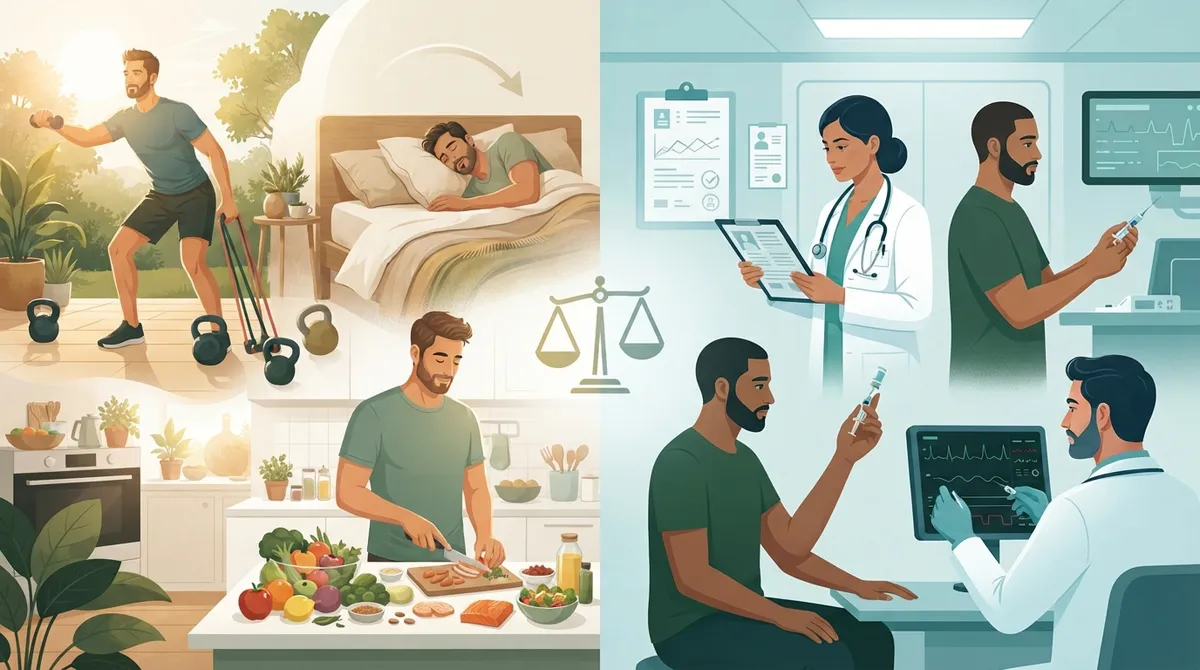
Weight loss is the recommended first-line treatment for obesity-related low testosterone; even modest weight loss can meaningfully improve testosterone, energy, and mood without medication.
-
Testosterone therapy requires ongoing monitoring every 3-6 months including hematocrit and PSA checks, and is contraindicated if you plan fertility soon since it suppresses sperm production.
-
Natural methods work best for reversible causes like poor sleep, excess body fat, heavy alcohol use, and nutrient deficiencies; they won't replace TRT for primary testicular or pituitary disease.
-
Peptide therapy is not an FDA-approved substitute for TRT but can support energy, recovery, and metabolic health as part of a broader wellness plan under medical supervision.
-
Personalized medical evaluation matching treatment to your specific diagnosis, symptoms, and goals produces better outcomes than generic protocols or self-treatment based on online information.
Feeling tired, foggy, or just not like yourself lately? You’re not alone. Every week, we hear from men and women who wonder if they need testosterone therapy, or if lifestyle changes can do the trick instead. It’s a fair question, and honestly, the answer isn’t one-size-fits-all.
Some people truly need medically supervised treatment. Others can turn things around with better sleep, smarter workouts, and a few tweaks to their diet. The tricky part is figuring out which camp you fall into. That’s exactly what we’ll walk through together in this guide, using real clinical guidelines instead of guesswork.
Whether you’re a busy professional short on time, a biohacker who loves data, or simply someone who wants to feel like themselves again, this article breaks down the facts. We’ll also touch on where peptide therapy fits into the picture, because spoiler alert: it’s not a magic swap for TRT, but it can play a meaningful supporting role in your wellness plan.

1. Low Testosterone Isn’t Just About One Bad Lab Result
Here’s something a lot of people don’t realize. A single low testosterone reading doesn’t automatically mean you need treatment. Major medical guidelines are clear on this point.
Testosterone replacement therapy is meant for men with clinically significant hypogonadism. It’s not meant for normal aging, everyday fatigue, or a fluke lab result. According to the Endocrine Society, diagnosis should only happen when symptoms and consistently low testosterone levels show up together.
This matters because jumping straight to treatment without proper testing can lead you down the wrong path. You deserve a diagnosis based on solid evidence, not a rushed decision.
2. The Diagnostic Process Actually Requires Two Tests
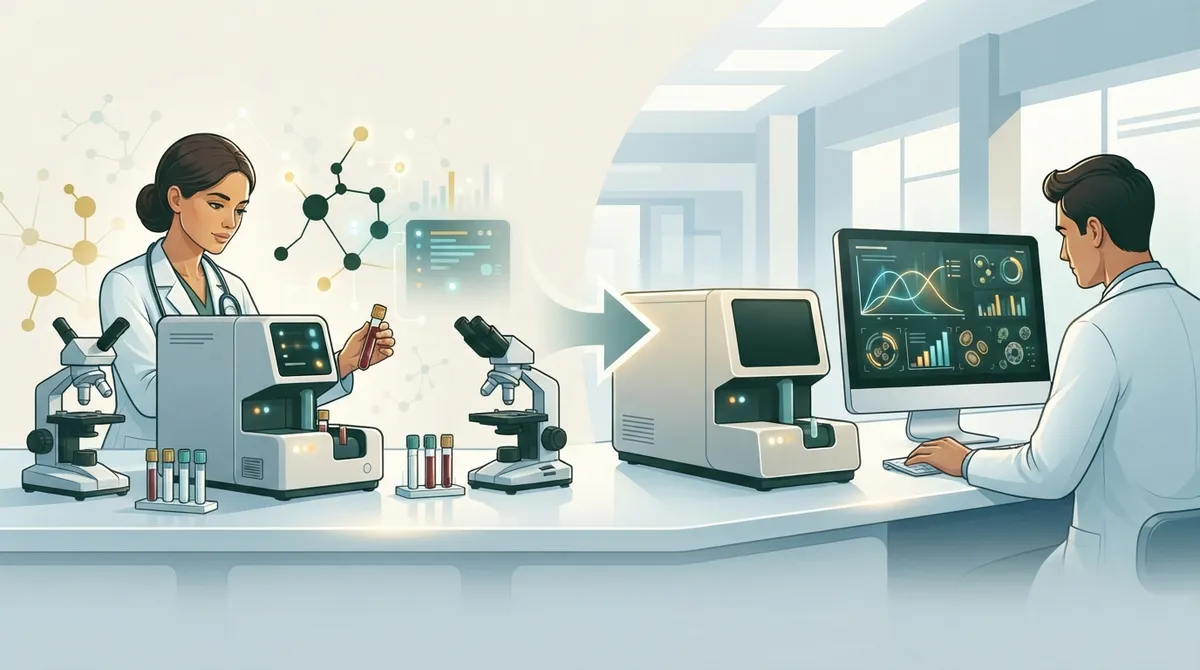
Think testosterone testing is a one-and-done deal? Think again. Proper diagnosis calls for two separate early-morning, fasting total testosterone measurements.
Why morning and fasting? Testosterone levels naturally peak earlier in the day and can be affected by food intake. Testing at the wrong time can give a misleading picture.
The American Urological Association points to total testosterone below 300 ng/dL as a reasonable threshold for diagnosis. But numbers alone don’t tell the whole story. Clinicians also look at:
- Free testosterone levels
- Sex hormone-binding globulin (SHBG)
- Your actual symptoms, not just lab numbers
- The suspected underlying cause
This layered approach protects you from unnecessary treatment and helps pinpoint what’s really going on.
3. Natural Methods Shine Brightest for Reversible Causes
Natural methods aren’t just a consolation prize for people who can’t get TRT. They’re often the smartest first step, especially when low testosterone stems from something reversible.
Common reversible culprits include:
- Obesity or excess body fat
- Poor sleep quality or obstructive sleep apnea
- Heavy alcohol use
- Nutrient-poor diets
- Overtraining without adequate recovery
- Certain medications that suppress hormone production
The Endocrine Society actually recommends weight loss as the first-line approach for men with obesity-related low testosterone, when no other cause is found. Even a modest testosterone bump from lifestyle changes can improve energy, mood, and metabolic health.
4. What Natural Methods Can Realistically Improve
Let’s be honest about expectations here. Natural methods can help, but they’re not a guaranteed replacement for TRT if you have primary testicular or pituitary disease.
That said, here’s what lifestyle changes tend to support well:
| Natural Method | Potential Benefit |
|---|---|
| Weight loss | Can meaningfully raise testosterone in obese men |
| Resistance training | Supports muscle mass and metabolic health |
| Better sleep habits | May improve hormone production and recovery |
| Reducing alcohol intake | Removes a common suppressive factor |
| Balanced nutrition (protein, zinc, vitamin D) | Supports overall hormonal balance |
These changes also tend to improve erectile function, mood, and energy, even when testosterone gains are modest. That’s a win no matter how you slice it.
5. When Testosterone Therapy Becomes the Right Call
So when does TRT make sense? Generally, when testosterone deficiency is persistent and tied to testicular, pituitary, or hypothalamic issues, not just lifestyle factors.
Clinically prescribed TRT, when properly supervised, can improve:
- Sexual function and libido
- Lean muscle mass
- Bone density
- Anemia related to hypogonadism
- Overall energy and mood in appropriately diagnosed patients
The key phrase here is “appropriately diagnosed.” This isn’t a therapy to self-start based on how you feel on a rough day. It requires real testing and real medical oversight.
6. TRT Comes With Real Monitoring Requirements
Starting testosterone therapy isn’t a “set it and forget it” situation. Ongoing monitoring is a non-negotiable part of safe treatment.
The Endocrine Society recommends checking testosterone and hematocrit levels about 3 to 6 months after starting therapy, then periodically after that. Hematocrit should be measured at baseline too, since TRT can thicken the blood.
Here’s a simple breakdown of what monitoring typically looks like:
- Baseline bloodwork, including hematocrit and PSA when appropriate
- Follow-up testosterone and hematocrit checks at 3–6 months
- Periodic monitoring afterward, based on your provider’s guidance
- Prostate-risk assessment during the first year of treatment
- Adjustments to keep testosterone in the mid-normal range, not sky-high
This is why working with licensed providers matters so much. At Allura Longevity, every treatment plan starts with LabCorp blood work and continues with ongoing monitoring from licensed medical professionals, led by board-certified Family Nurse Practitioner Ashley.
7. Fertility Plans Change the Whole Equation
If you’re hoping to grow your family soon, TRT might not be your best option right now. Exogenous testosterone can suppress natural sperm production, sometimes significantly.
Men actively planning fertility usually need a different approach entirely. This might include treating the underlying cause of low testosterone or working with fertility-focused therapies under a reproductive urologist’s care.
This is a great example of why self-treating or jumping to conclusions online can backfire. A licensed provider can help you weigh these tradeoffs before starting anything.
8. Peptide Therapy Isn’t a TRT Replacement, But It Has a Role
Here’s where things get interesting for our community. Peptide therapy is often marketed as a way to naturally support hormone production or improve body composition. But let’s be clear: most peptides are not FDA-approved replacements for TRT in cases of male hypogonadism.
What peptides can offer is support for related goals, like energy, recovery, sleep, and metabolic health, which can complement a broader wellness strategy. If you’re curious about how peptides work in general, this guide on what are peptides in 2026 is a great starting point.
The bottom line? Don’t confuse marketing claims with peer-reviewed evidence. Quality and regulatory status vary widely across peptide products, so working with a trusted, licensed provider is essential.
9. Comparing TRT, Natural Methods, and Peptide Support
Sometimes a side-by-side comparison makes everything click. Here’s how these three approaches stack up:
| Approach | Best For | Key Consideration |
|---|---|---|
| Testosterone Therapy (TRT) | Diagnosed hypogonadism from testicular, pituitary, or hypothalamic causes | Requires ongoing monitoring and rules out fertility plans |
| Natural Methods | Obesity-related or lifestyle-driven low testosterone | May improve levels modestly; not guaranteed for primary disease |
| Peptide Support | Energy, recovery, metabolic and wellness goals | Not an FDA-approved TRT substitute; quality varies by provider |
Notice how each option serves a different purpose. That’s exactly why personalized care, not a one-size-fits-all plan, matters so much.
10. Contraindications and Risks You Shouldn’t Ignore
Not everyone is a good candidate for TRT, even with low testosterone levels. Guidelines flag several situations where treatment should be paused for further evaluation, including:
- Active fertility plans
- History of breast or prostate cancer
- Abnormal prostate exam or elevated PSA
- Elevated hematocrit levels
- Untreated severe sleep apnea
- Uncontrolled heart failure or recent cardiovascular events
- Blood clotting disorders
This is exactly why a thorough evaluation matters before starting any hormone therapy. According to research published by the National Library of Medicine, individualized, medically supervised care produces better outcomes than generic protocols.
If you’re weighing your options, our comparison guide on peptide therapy vs testosterone replacement dives deeper into how these paths differ.
11. How to Choose the Right Path for You
Feeling a little overwhelmed by all this information? That’s completely normal. Here’s a simple way to think through your decision:
- Get properly tested with two early-morning fasting testosterone measurements.
- Identify any reversible causes, like poor sleep, excess weight, or alcohol use.
- Try targeted lifestyle changes first if your case fits that pattern.
- Discuss TRT with a licensed provider if deficiency persists and matches diagnostic criteria.
- Ask about complementary peptide support for energy, recovery, or metabolic goals.
- Set up a monitoring schedule so your treatment stays safe and effective long-term.
Guidelines from the AUA and Endocrine Society are clear that routine testosterone screening or treatment for all aging men isn’t recommended. Decisions should be based on your actual symptoms, lab results, and personal goals, not blanket assumptions.
If you want to learn more about how hormones and peptides interact, check out our post on the real benefits of hormone therapy for men. It’s a helpful next step if you’re still deciding what fits your lifestyle.
Why Personalized, Medically Supervised Care Wins
At the end of the day, testosterone therapy vs natural methods isn’t really a competition. It’s about matching the right approach to your specific situation. Some people need TRT. Others just need better sleep and a smarter workout plan. Many benefit from a thoughtful mix of both, plus some peptide support along the way.
This is exactly the kind of personalized care Allura Longevity was built to provide. Every client starts with a simple $50 virtual consultation, completes bloodwork through LabCorp, and receives a custom six-month treatment plan shipped straight to their door. No guesswork, no generic protocols, just real data guiding real decisions.
Curious whether TRT, natural methods, or peptide support makes sense for you? Our licensed providers, led by board-certified Family Nurse Practitioner Ashley, are here to help you figure it out with confidence. We’re proud to offer nationwide telehealth care and are currently licensed in Florida, Georgia, Texas, Connecticut, Indiana, Maryland, New York, and California.
Spots fill up fast each month, so if you’re ready to feel like yourself again, don’t wait too long. You can learn more about the science behind these treatments through resources like what are peptides, and when you’re ready to take the next step, request a consultation with our team today. You can also give us a call at (813) 510-6277 to get your questions answered directly.
FAQs
Q: Can natural methods raise testosterone as effectively as testosterone replacement therapy?
A: It really depends on the cause. If your low testosterone is tied to obesity, poor sleep, or lifestyle factors, natural methods can make a meaningful difference. But if the root cause is testicular or pituitary disease, lifestyle changes alone usually won’t get you where TRT can.
Q: Can weight loss reverse low testosterone in men with obesity?
A: Yes, weight loss is actually considered the first-line treatment for obesity-related low testosterone when no other cause is found. Even modest weight loss can improve testosterone levels along with energy, mood, and metabolic health.
Q: What testosterone level qualifies for testosterone replacement therapy?
A: Guidelines generally use total testosterone below 300 ng/dL as a reasonable diagnostic threshold, but it’s never just about the number. Your symptoms, free testosterone, and overall health picture all matter too.
Q: How many testosterone tests are needed before starting treatment?
A: You’ll want at least two separate early-morning, fasting total testosterone measurements before a diagnosis is confirmed. This helps rule out a fluke result and ensures treatment decisions are based on solid evidence.
Q: Are peptide therapies a safe alternative to testosterone replacement therapy?
A: Peptides aren’t an FDA-approved substitute for TRT when it comes to treating male hypogonadism. That said, certain peptides can support energy, recovery, and metabolic wellness as part of a broader, medically supervised plan.





